March 12, 2026
By Katrina McNamara | March 12, 2026
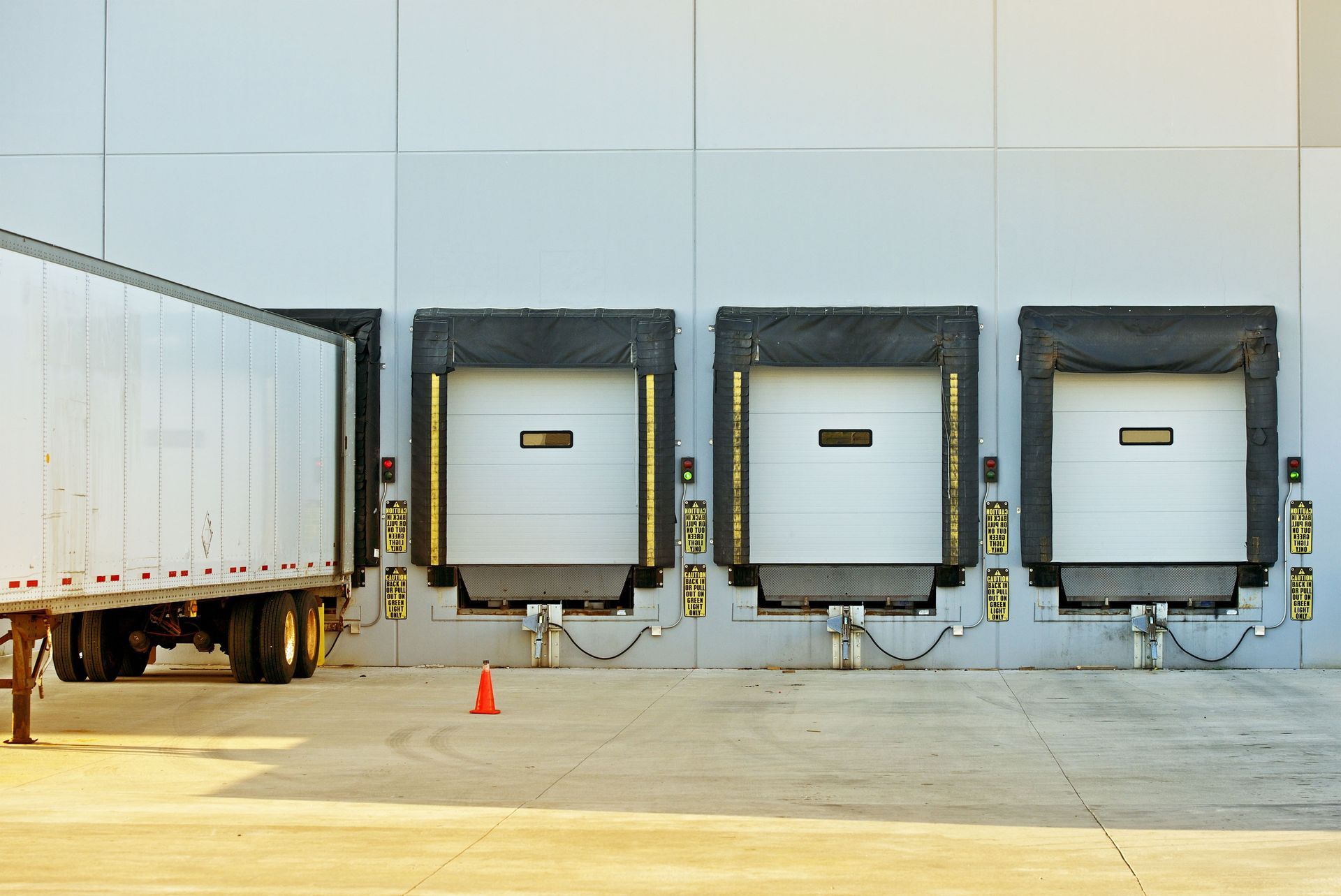
Loading docks are critical points in the supply chain where goods are transferred from vehicles to warehouses. Although often overlooked, small problems at the loading dock can escalate into significant safety hazards. It's important to know the nuances of these seemingly minor issues, and when it is crucial to get professional loading dock repairs to avoid long-term effects.
In many warehouses, the loading dock serves as the primary interconnection point, facilitating the continuous flow of goods and materials. It is at this nexus that the convergence of various factors can transform minor issues into substantial safety threats. By scrutinizing these vulnerabilities, we can anticipate and mitigate potential hazards before they culminate in disastrous incidents.
According to the OSHA Online Center, 25% of all warehouse accidents take place at the loading dock, marking it as a major location for serious incidents. The ratio signifies the commonplace nature of mishaps in these areas, accentuating the need for enhanced safety measures. Understanding and correcting these issues is imperative for maintaining a secure and efficient operational environment.
Uneven Surfaces
Firstly, uneven surfaces are one of the most common problems in loading docks, often leading to accidents and potential injuries. This irregularity can be caused by wear and tear due to constant usage and fluctuations in temperature. Workers and machinery are at risk of tipping or slipping, which could result in serious injuries or equipment damage. Addressing this involves regular checks and prompt loading dock repairs to maintain an even dock surface. This proactive approach not only prevents mishaps but also supports smooth operations at the dock.
Furthermore, deploying visual cues or signage can help alert staff to uneven surfaces, ensuring caution is exercised in potentially hazardous areas. Having an effective reporting system can enable quick responses to newly developed surface irregularities. Incorporating these solutions can significantly reduce accident rates related to surface inconsistency, promoting a safer work environment. Implementing more advanced pavement and docking systems can offer longer-lasting solutions to this recurring problem. Together, these strategies lay the groundwork for preventing small problems from inflating into larger safety concerns.
Such diligence is integral, especially because the constant movement of forklifts and other machinery intensifies surface wear. By fostering awareness through regular training on surface-related hazards, workers can be better prepared to manage their surroundings safely. Incentives or acknowledgment programs can motivate employees to report uneven surfaces promptly. This collective effort underlines the importance of team involvement in safety maintenance, leading to a healthy and secure dock environment. Ultimately, keeping surfaces even can mitigate many accident-prone scenarios at loading docks.
Insufficient Lighting
Furthermore, lighting plays a crucial role in ensuring safety at loading docks, with insufficient lighting posing significant risks. Poor visibility makes it difficult for workers to navigate and operate machinery safely, increasing the likelihood of accidents. Relying on minimal lighting can also hinder the ability to accurately inspect shipments and equipment. Upgrading to comprehensive lighting solutions fosters a secure and efficient workspace for all dock activities. Implementing motion sensor lighting can further conserve energy while ensuring areas are well-lit when occupied.
Moreover, transitioning to LED lighting provides enhanced clarity, longer lifespan, and reduced electricity costs, an investment that can significantly mitigate common lighting issues. Regularly inspecting and maintaining lighting fixtures should be part of the routine safety protocol. This ensures they are functioning optimally and keeps the dock compliant with safety regulations. Well-lit docks aid in the prompt identification and resolution of potential hazards. Enabling workers to confidently fulfill their roles without unnecessary visibility-related risks is essential for a safe loading dock environment.
Frequent feedback from workers can also aid in identifying poorly lit areas and rectifying them with targeted lighting installations. Fostering this collaborative approach enhances the ability to safeguard the workplace against accidents. Providing workers with portable lighting devices during evening shifts can further ensure comprehensive illumination. By adopting these robust lighting strategies, organizations can prominently reduce the frequency of accidents related to poor lighting. Ultimately, sufficient illumination is essential for creating an environment where operations are safely conducted.
Inadequate Training of Dock Workers
Comprehensive training is a pivotal component in ensuring the safety and efficiency of loading dock activities. Insufficient training can lead to mismanagement of equipment, poor hazard recognition, and increased accident rates. It is vital to establish thorough training programs that encompass all aspects of dock operations, including equipment handling, safety protocols, and emergency procedures. A well-trained workforce is more adept at recognizing potential hazards and responding effectively. Leveraging experienced personnel to lead training sessions can provide insight and real-world applications to newer staff members.
Ongoing education and refresher courses can fortify a team's capabilities, instilling confidence and adherence to safety norms. Interactive and practical training sessions allow for better retention and application of safety protocols. Simulating emergencies can further prepare workers to handle unforeseen incidents efficiently. Regularly updating training material to reflect current industry standards and advanced technologies ensures the workforce remains knowledgeable and compliant. Additionally, empowering staff to provide feedback on training programs can lead to continuous improvement of safety practices.
Poorly Maintained Equipment
Proper maintenance of equipment is essential to ensuring a safe and efficient loading dock environment. Neglect can lead to equipment failures that pose substantial risks to both personnel and operations, thus requiring loading dock repairs. Broken dock levelers, malfunctioning forklifts, and faulty restraint systems significantly increase the potential for accidents. Regular equipment inspections and maintenance schedules are pivotal in identifying and rectifying issues before they lead to severe consequences. Establishing checklists for equipment handling and maintenance protocols helps ensure consistency and comprehensive coverage.
Incorporating a proactive maintenance strategy can prevent minor issues from escalating into larger, costly loading dock repairs or replacements. Maintaining a digital log of equipment usage and loading dock repairs provides valuable insights into patterns of wear and tear, aiding predictive maintenance efforts. Promoting a culture that emphasizes the importance of equipment upkeep encourages operators to report malfunctioning machinery promptly. Training staff on basic equipment troubleshooting techniques can also empower them to address issues as they arise. Consequently, these practices collectively contribute to mitigating safety risks associated with poorly maintained equipment.
Cluttered Workspaces
Finally, cluttered workspaces in loading docks pose a considerable safety hazard, obstructing movement and increasing the risk of accidents. Organized spaces enable workers to maneuver freely and access necessary tools and equipment efficiently. Decluttering involves systematically evaluating the workspace to identify items that need removal or repositioning. Routine inspections and cleanup schedules aid in maintaining organized environments, significantly lowering the likelihood of accidents. Additionally, strategic space planning can optimize the flow of products and personnel through the dock area.
Implementing lean principles can help identify and eliminate wasteful practices contributing to clutter, enhancing both safety and productivity. Providing accessible and labeled storage solutions encourages proper stowage of materials and equipment. Encouraging a culture of cleanliness and organization underscores the importance of maintaining tidy and functional workspaces. Establishing clear zones for specific tasks or equipment can further delineate operational spaces, minimizing cross-task interference. Together, these efforts ensure the loading dock operates efficiently and safely, reducing clutter-induced accidents.
Small issues at loading docks rarely stay small. Uneven surfaces, poor lighting, limited training, neglected equipment, and clutter can quickly lead to injuries, delays, and costly damage. Addressing these concerns through routine inspections, worker education, and organized workspaces helps reduce risk and supports safer, more reliable warehouse operations overall. For loading dock repairs, contact us at Delta Door & Dock today.