September 1, 2026
By Katrina McNamara | September 1, 2026
A garage door is an important part of a home or commercial property, providing convenient access while helping protect vehicles, equipment, stored belongings, and interior spaces. Because the system is used so routinely, it can be easy to overlook its condition until something begins to malfunction. However, many problems develop gradually. Components experience wear, hardware can loosen, seals may deteriorate, and movement can become less consistent over time. Regular professional inspections help identify these changes before they develop into larger concerns.
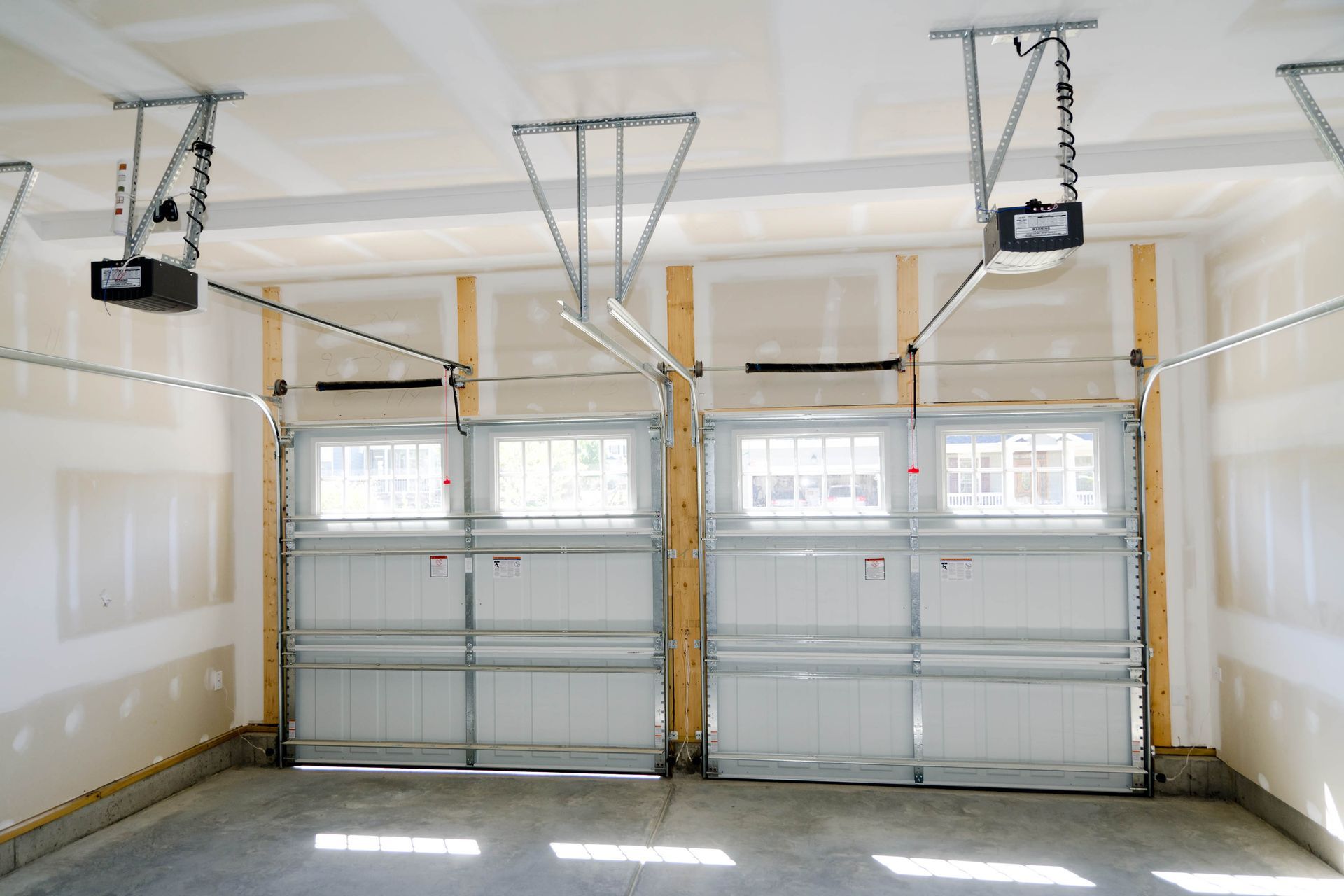
Inspections are also valuable because these systems contain numerous interconnected components. Springs, cables, tracks, rollers, panels, weather seals, openers, and safety features all contribute to reliable operation. A problem with one component can place additional strain on others, potentially accelerating wear throughout the system. Having the entire assembly evaluated periodically can provide property owners with a clearer understanding of its condition while supporting safety, efficiency, reliability, and long-term performance.
Identifying Developing Mechanical Problems
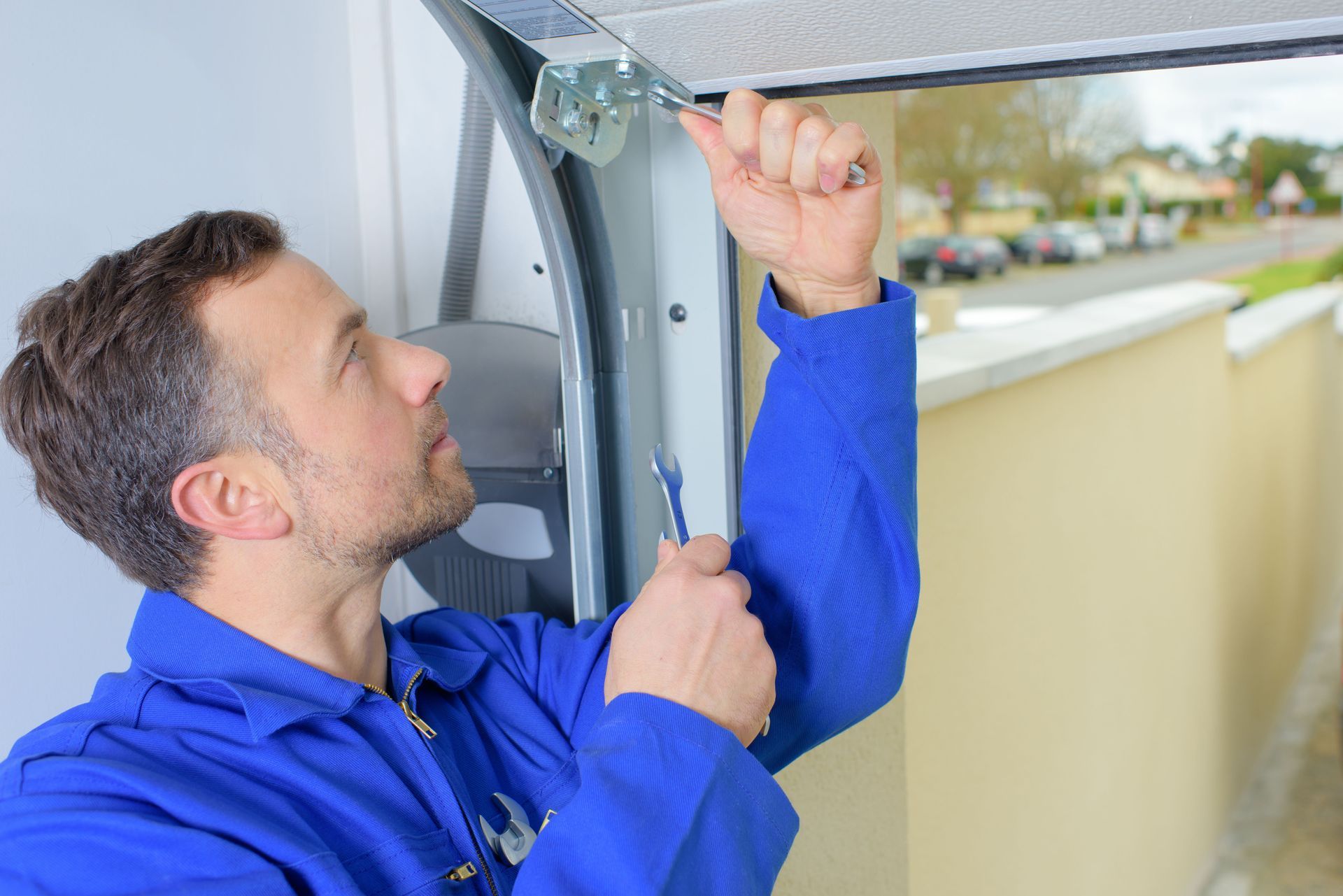
Mechanical wear is not always immediately noticeable during everyday operation. A system may continue opening and closing even while individual components are beginning to deteriorate. Subtle noises, slight changes in movement, or increased vibration may seem insignificant at first, but they can indicate that parts are no longer operating as smoothly as intended. A professional inspection provides an opportunity to evaluate these symptoms and determine whether they require attention.
The springs, cables, rollers, tracks, hinges, and related hardware all work together each time the system moves. When one component becomes worn or damaged, the remaining parts may compensate for the problem. That additional strain can gradually affect overall performance. Inspectors can look for visible wear, alignment concerns, damaged hardware, and other conditions that might otherwise go unnoticed.
Early identification can also make maintenance more manageable. Rather than waiting until a garage door stops functioning, property owners can address developing concerns while the system remains operational. This proactive approach can reduce unexpected interruptions and provide more time to make informed decisions about repairs or component replacement.
Improving Everyday Operating Safety
Because these systems are large, heavy, and mechanically complex, safe operation should remain a priority. Springs and cables manage significant tension, while the opener and other moving components control a substantial amount of weight. Problems involving these parts can create hazards if they are not recognized and addressed appropriately.
This is especially important because some warning signs can be easy to dismiss. Unusual sounds, hesitation, uneven movement, or sudden speed changes may indicate that the garage door requires professional attention. Continuing to operate a system with an unresolved mechanical issue can place additional stress on components and potentially increase the risk of a malfunction.
Routine inspections provide an opportunity to recognize these concerns before they become more serious. They also allow trained professionals to evaluate components that property owners should not attempt to adjust themselves, particularly parts under significant tension. By relying on professional evaluation, owners can make maintenance decisions based on the actual condition of the system rather than assumptions about how well it appears to be working.
Preventing Unexpected Operational Disruptions
A system that suddenly refuses to open or close can create an immediate inconvenience. Vehicles may become inaccessible, business operations can be interrupted, or a property may be left without the expected level of security. While not every malfunction can be predicted, routine inspections can reveal many conditions associated with declining performance.
A technician can assess the garage door for signs that components are wearing unevenly or approaching the point where service may be necessary. Addressing these concerns proactively can help reduce the likelihood of a sudden failure during regular use. This can be especially valuable for commercial properties, where an access problem may affect deliveries, employees, equipment movement, or daily workflows.
Preventive attention can also reduce the possibility of one damaged component affecting another. Mechanical systems rely on balanced operation, and a weakened part may force neighboring components to work harder. If that condition continues, what began as a localized issue may contribute to broader wear.
Supporting Consistent Energy Performance
The condition of the opening can also influence energy performance, particularly when the garage is connected to conditioned areas of a building. Gaps, deteriorated seals, damaged panels, and poor closure can allow unwanted air movement. These issues may make it more difficult to maintain comfortable conditions in spaces adjacent to the garage.
In fact, according to the U.S. Department of Energy, household energy loss can be affected by air leaks around garages and garage doors, particularly when garages are attached to homes. This highlights why an inspection should consider more than mechanical movement alone. Weather sealing and the overall condition of the opening can also affect how effectively the system separates interior spaces from outdoor conditions.
An inspection can identify visible deterioration around seals and other areas where the garage door may no longer close as effectively as intended. Addressing these concerns can support the building envelope while also helping protect the garage interior from drafts, moisture, dust, and outdoor debris.
Extending Useful System Performance
Routine inspections can also contribute to the long-term performance of the system. Mechanical components naturally experience wear, but identifying and addressing problems early may prevent unnecessary stress from spreading throughout the assembly. This can help property owners get appropriate service from components while avoiding damage caused by neglected maintenance concerns.
For example, movement that is no longer balanced or smooth may place additional strain on rollers, tracks, hardware, or the opener. A professional evaluating the garage door can recognize patterns of wear and determine whether maintenance or repair is appropriate. Correcting an underlying issue can help other components continue operating under more suitable conditions.
This approach is particularly valuable for property owners who want to protect their investment. Replacement of an entire system is a significant decision, and routine professional attention can help owners understand whether individual repairs, ongoing maintenance, or eventual replacement is the most appropriate course based on current conditions.
Maintaining Reliable Property Access
Reliable access is easy to take for granted until a problem occurs. For homeowners, the garage may be a primary entrance used throughout the day. For commercial facilities, overhead systems may support deliveries, loading areas, storage spaces, service bays, and other essential operations. Consistent performance therefore has practical implications beyond simple convenience.
Regular inspections help determine whether the system is operating smoothly and responding properly to normal controls. Professionals can evaluate movement, listen for unusual operating sounds, and inspect components for conditions that could interfere with dependable use. When concerns are identified, owners can arrange appropriate service before access becomes compromised.
A properly functioning garage door can also support property security. A system that does not close completely, moves unpredictably, or contains damaged components may not provide the intended barrier between the property and the surrounding environment. Routine evaluations can reveal issues affecting closure and overall operation.
Protecting Long-Term Property Value
Maintenance decisions can influence the overall condition of a property. Systems that are inspected and serviced when necessary are generally easier to manage than those that receive attention only after a major malfunction. Regular evaluation allows owners to stay informed about wear and make timely decisions about upkeep.
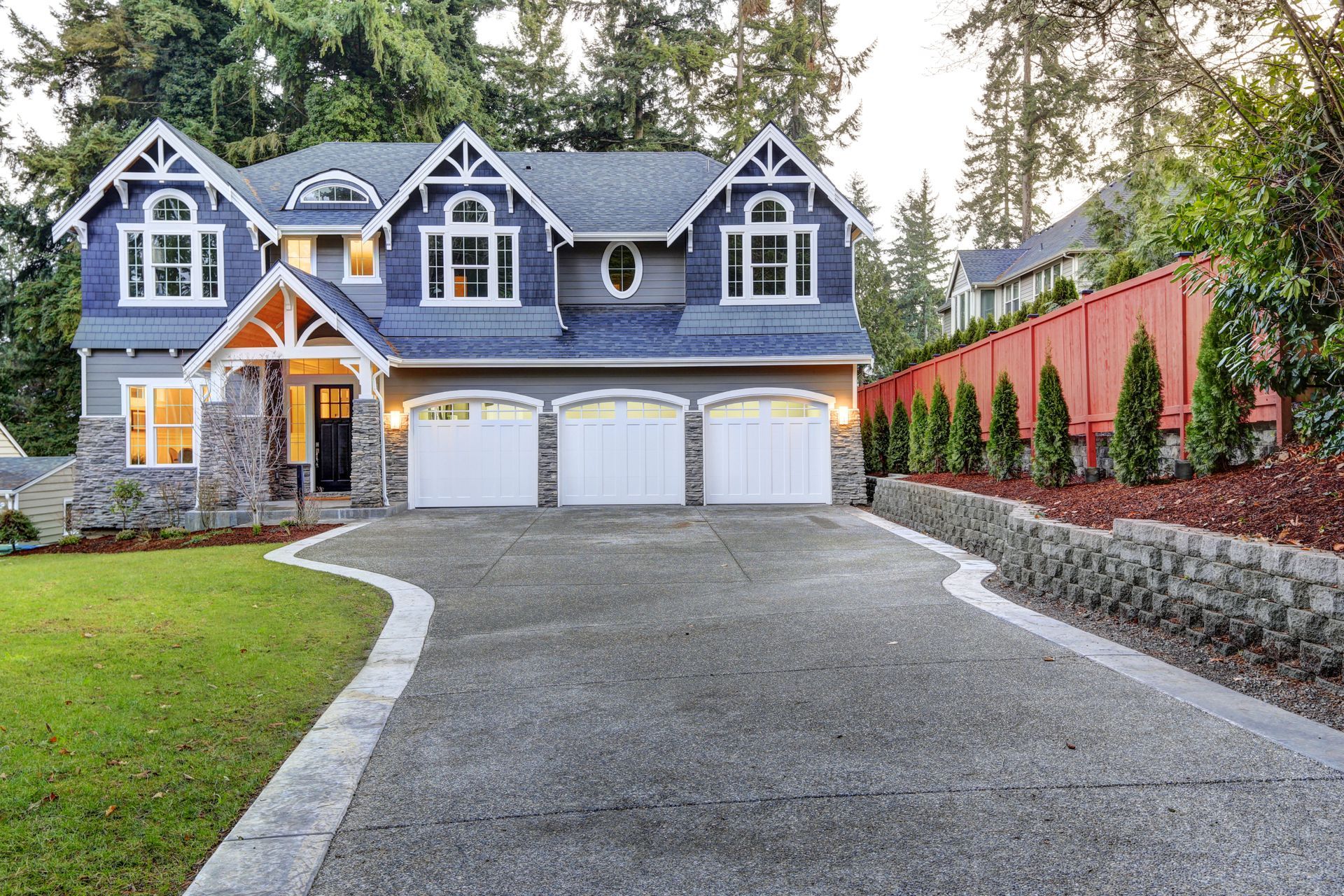
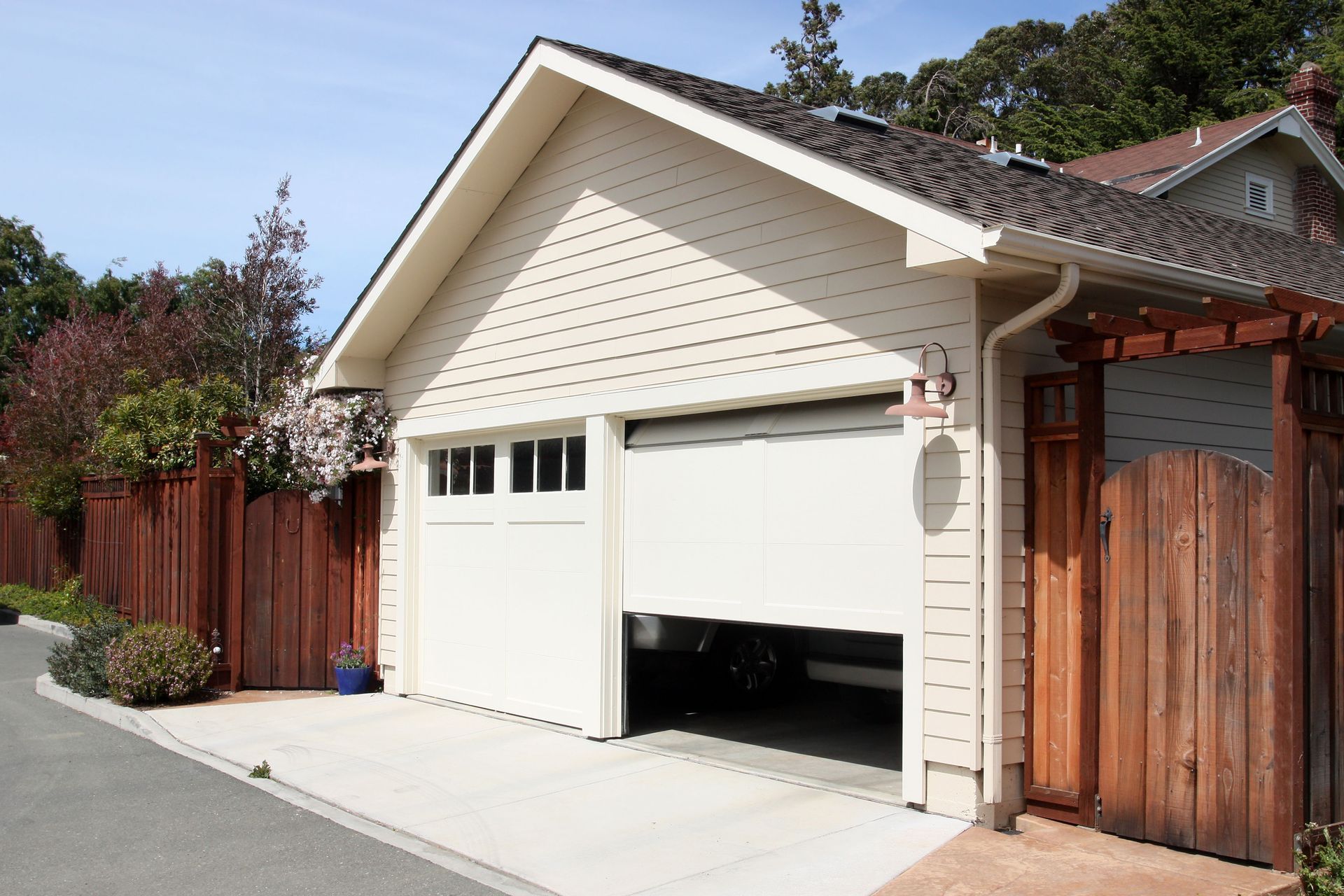
The garage door is also a prominent functional and visual component of many properties. Damaged panels, deteriorated seals, uneven movement, and neglected hardware can affect both appearance and usability. Identifying concerns early can help owners maintain the opening as part of their broader property care strategy.
Professional inspections can also provide useful guidance when a system begins showing signs of age. Rather than guessing whether repairs are worthwhile, owners can receive an assessment of individual components and overall performance.
Regular inspections can support safer operation, dependable access, energy performance, and more predictable maintenance. They provide an opportunity to identify developing problems while there is still time to address them thoughtfully. Rather than waiting for unusual noises, unreliable movement, or a complete malfunction, property owners can incorporate professional evaluation into their normal maintenance planning.
At Delta Door & Dock, we help property owners evaluate the condition and performance of their systems with professional care. Our team can identify areas that may require attention and help determine appropriate maintenance or repair options. Contact us to schedule an inspection and learn how regular professional service can support reliable operation over the long term.